
Blog

Five Benefits of Prenatal Visits
Although most pregnancies don’t present complications, prenatal visits make it easier for specialists to detect problems early on and improve health outcomes. Learn how prenatal visits can help you have a healthy baby.
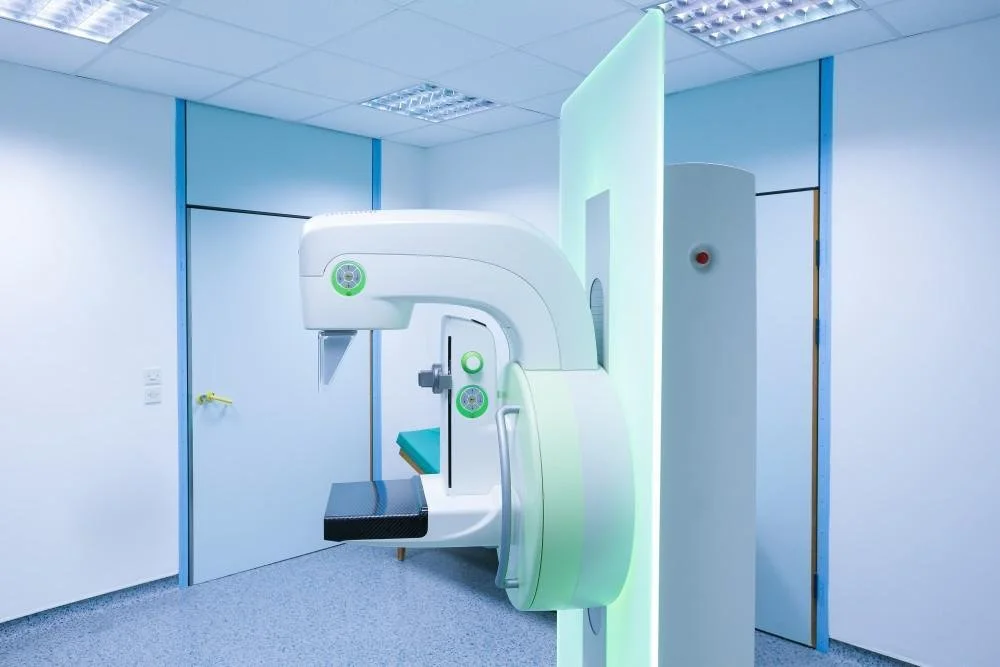
How Often Do I Need a Mammogram?
Breast cancer can be treated successfully, especially when detected early. Find out what could increase your risk for breast cancer and how often you should get a mammogram to ensure you’re well.

What Does a Child's Physical Include
An annual physical is essential to every child’s health and well-being. Read on to learn why these routine doctor visits are critical.

How to Help Your Newly Diagnosed Senior Parent with Parkinson's Disease
If your loved one has recently been diagnosed with Parkinson’s disease, you can help them. Find out what needs your loved one may have.
When Should I Go To Urgent Care Instead of the ER?
You’re cutting vegetables and accidentally slice your thumb. The bleeding is pretty bad, yet the cut isn’t deep enough to reach the bone. What do you do? Find out when you should choose urgent care instead of an emergency room.

Do I Need a Physical Exam Every Year?
A physical exam is a comprehensive look at various parts of the body. It may involve feeling for lumps, looking for growths and lesions, checking your pulse, and listening to your heartbeat.

Tips for Conducting a Breast Self-Exam at Home
Breast cancer is the second most common type of cancer in American women. Researchers don’t know for sure what’s causing the breast cancer epidemic, but they tend to believe that radiation exposure, postmenopausal hormone replacement therapy, obesity, and regular alcohol consumption could be contributing factors.
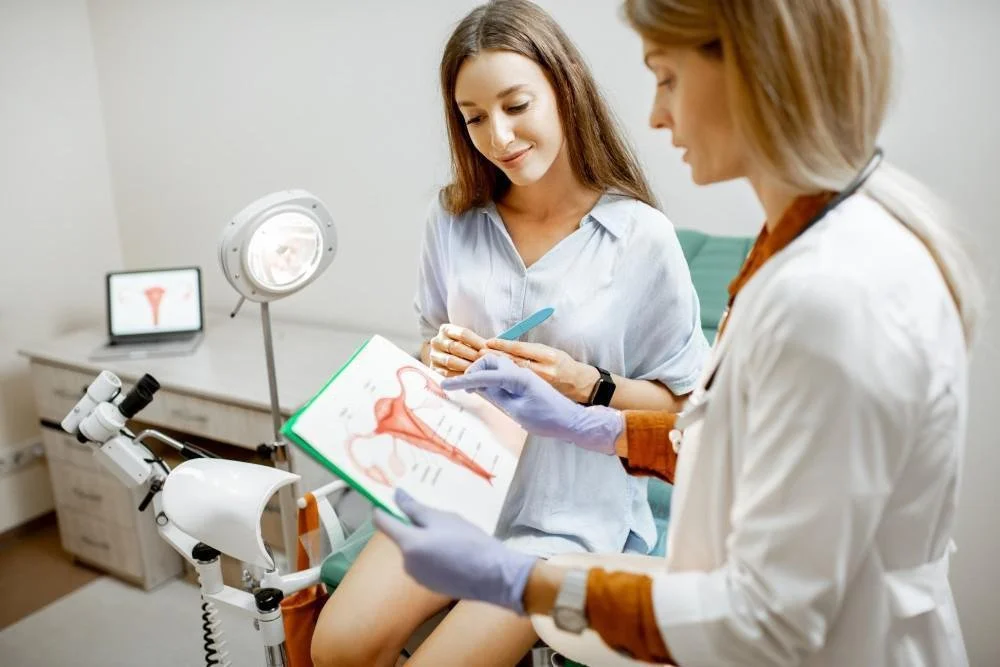
How Often Do I Need a Pap Smear?
Pap smears, also known as pap tests, are screening procedures used to detect infections, inflammation, and cancerous cells in the cervix. However, they aren’t used to detect STDs.

Are You Spreading an STD?
Approximately 1 in 5 Americans carry an STD. That said, since many people who have STDs don’t experience any symptoms, they never get tested or treated and can spread it to their partners.

Use This Information to Decide if You Should Go to the ER or Urgent Care
Emergency Care (ER) is best suited for those who are at risk of losing a limb or those who are experiencing life-threatening symptoms.
If you’re experiencing symptoms or an injury for which treatment can’t be delayed until the next day, urgent care is the best choice. Twisted ankles, strains, minor injuries, asthma attacks, or simple bone breaks are all issues that can be treated at an urgent care center.

What's Included in Family Medicine Care?
Family physicians treat a variety of conditions, from colds and infections to diabetes. The education of family physicians includes training in emergency care, gynecology, obstetrics, and urology, to name a few fields.